
If you're caring for an aging parent or a spouse, you probably didn't apply for the job. It grew gradually — a few rides to appointments, then weekly grocery runs, then daily check-ins — until one day you realized you were a caregiver. Many family caregivers juggle this with work, children, and their own health, often without a single day off.
Love doesn't make you immune to exhaustion. Caregiver burnout is real, common, and nothing to feel guilty about.
Signs you may be heading toward burnout
- You feel tired even after sleeping, or you're not sleeping well
- Small things make you irritable, tearful, or resentful
- You've stopped seeing friends or doing things you enjoy
- You're getting sick more often or neglecting your own appointments
- You feel like no one else can do it, so you can never step away
- You dread the next day before it starts
Why taking a break helps your loved one, too
It can feel selfish to step back. In reality, rest makes you a better caregiver. A rested caregiver is more patient, more attentive, and better able to notice changes. Your loved one also benefits from a fresh face, new conversation, and a change in routine.
What respite care looks like
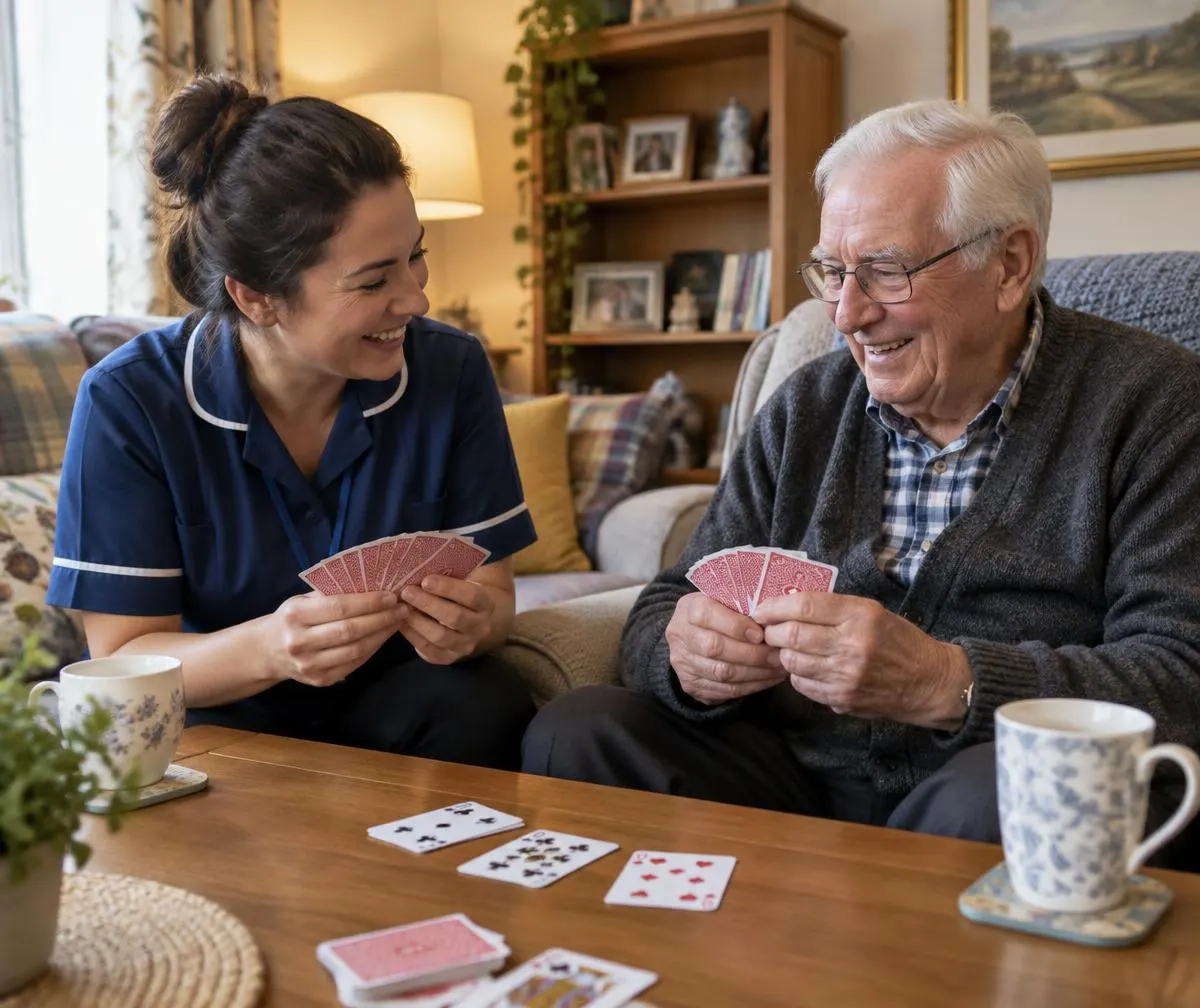
Respite care simply means someone else steps in so you can step out — for a few hours, a full day, or overnight. A trusted companion follows your loved one's routines, keeps them company, prepares meals, and handles light tasks while you rest, run errands, go to work, or take a long-overdue weekend away.
Ways to start making space for yourself
- Schedule respite regularly, not just in emergencies — even one afternoon a week helps
- Write down your loved one's routines and preferences so handoffs feel easy
- Accept specific offers of help from friends and family
- Keep at least one activity that's just for you
- Talk to your own doctor if you're feeling persistently low or overwhelmed
You can't pour from an empty cup. Asking for help isn't giving up — it's how you keep going.